
![[HERO] Luxury River Cruises Vs. Resorts: Which Is Best For You?](https://cdn.marblism.com/xJzT0_rX_Fy.webp)
At Travel by Jon & Jo'El, we believe that the "best" vacation is entirely subjective. It depends on whether you value a changing horizon or a deep sense of place. In this guide, we break down the practical differences to help you decide where to invest your travel budget for 2026 and beyond.
The most obvious difference is the logistics of your itinerary. A luxury river cruise is a floating boutique hotel. It moves while you sleep or enjoy lunch, delivering you to a new city, village, or vineyard almost every day.

When you book one of our luxury river cruises, including sailings with suppliers like AmaWaterways, you are essentially choosing a curated tour of a region. You might wake up in Vienna, spend the afternoon exploring its Baroque architecture, and be in Bratislava by the next morning. You only unpack once, yet your "backyard" changes constantly.
A resort, on the other hand, is about immersion in a single location. Whether it is a sprawling property in the Riviera Maya or a secluded villa at a supplier like Sandals Saint Vincent from Sandals Resorts, you are there to experience that specific environment. You have the freedom to learn the staff’s names, find your favorite corner of the beach, and truly "sink in" to the local atmosphere.
If physical space is your primary requirement, a resort will almost always win. Even the most entry-level rooms at luxury resorts tend to be larger than standard cruise cabins.
For those who prioritize a room they can spend all day in, the resort is the pragmatic choice. If you view your room primarily as a high-end place to rest between adventures, the cruise cabin is more than sufficient.
We often get asked about the "real" cost of these trips. The term "all-inclusive" is used by both, but it means different things in each context.
Most river cruises include your meals, coffee, tea, and local wines or beers with lunch and dinner. They also include daily shore excursions. However, they may not include a 24-hour open bar or 24/7 room service unless you are in a top-tier suite. The dining is usually "event-based": there is a set time for breakfast, lunch, and dinner, often featuring regional cuisine based on where the ship is docked.
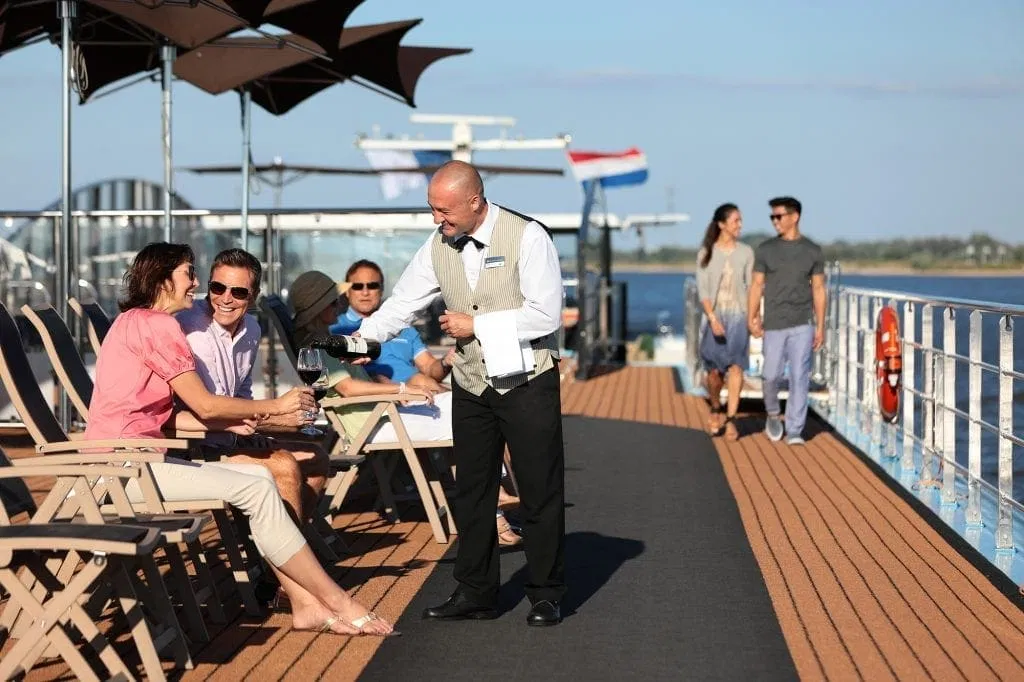
For travelers comparing specific cruise lines, it helps to review the official AmaWaterways site alongside our guidance so you can see current ships, itineraries, and included amenities directly from the supplier.
At a resort, the "all-inclusive" label usually covers everything: all meals at multiple on-site restaurants, snacks, premium spirits, and often motorized water sports. You can eat at 2:00 PM or 10:00 PM without much thought. While this offers more flexibility, it can sometimes lack the culinary focus of a river cruise that sources ingredients from the local market that morning.
Size dictates the "vibe" of your vacation. A typical river cruise ship carries between 100 and 190 guests. This creates an intimate, social environment where you will likely recognize most of your fellow travelers by the third day. It is an excellent choice for couples or solo travelers who enjoy meeting like-minded people during dinner or excursions.
Conversely, a luxury resort can host anywhere from 300 to over 1,000 guests. This provides a sense of anonymity. If you want to spend a week without talking to anyone but your partner and the waitstaff, a resort makes that very easy.
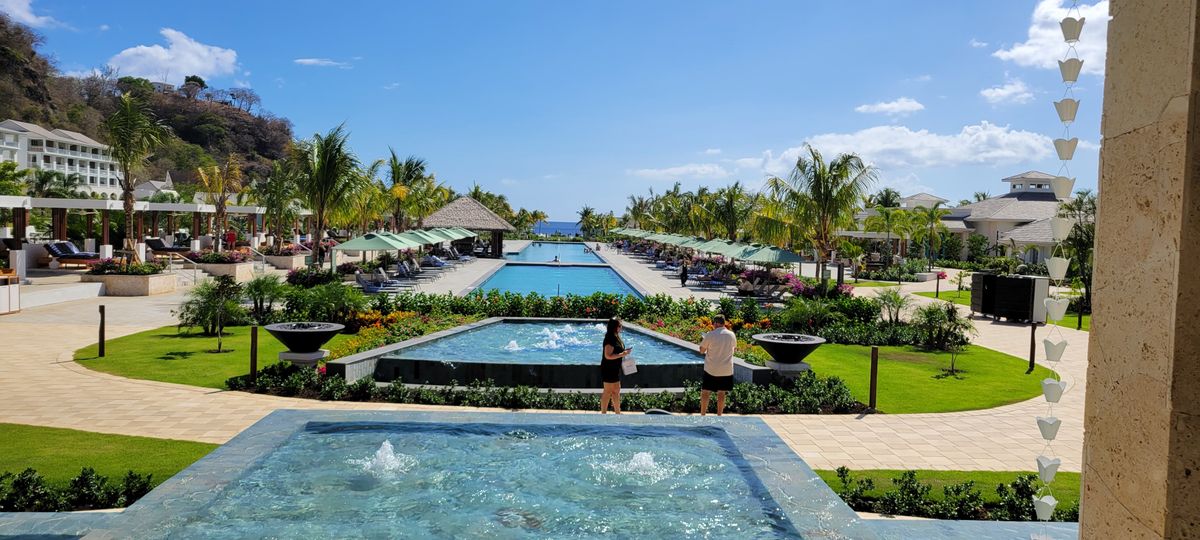
Consider how you like to spend your energy.
On a River Cruise:
At a Resort:
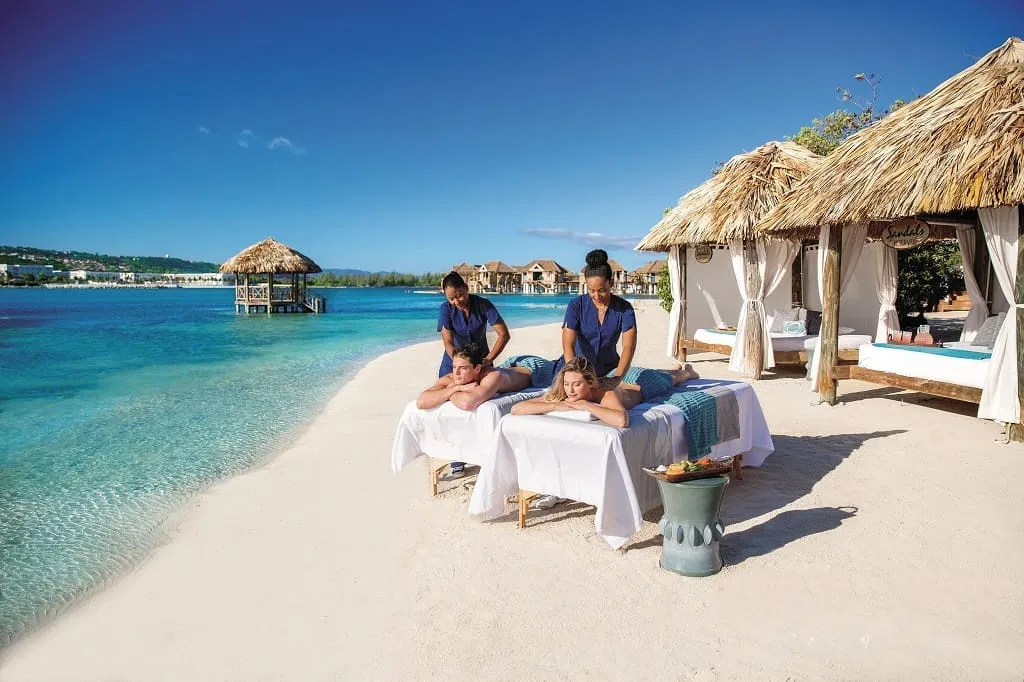
If you are evaluating resort brands, check the official Sandals Saint Vincent and Sandals Resorts sites for property-specific details, room categories, and on-site inclusions before you compare it with a cruise itinerary.
If you find yourself getting "itchy feet" after two days of sitting by a pool, the constant motion of a river cruise will keep you engaged. If your goal is to recover from a high-stress job by doing as little as possible, the resort is your sanctuary.
We should address a common concern: seasickness. Unlike ocean cruises, river cruises sail on calm, narrow waterways. There are no waves. If you are prone to motion sickness, a river cruise is generally a safe bet. You are almost always within sight of land.
Mobility is another factor. River cruises involve a lot of walking, often on cobblestone streets in old European towns. While some lines offer "gentle walkers" groups, the experience is inherently active. Resorts are better equipped for those with limited mobility, as they offer elevators, paved paths, and golf cart shuttles to get you around the property.
For multigenerational travel, we often recommend resorts. They have the infrastructure: kids' clubs, teen lounges, and varied menus: to keep different age groups happy simultaneously.
River cruises are traditionally adult-oriented. While some lines offer family-themed sailings during the summer or holidays, the lack of "kid-centric" facilities on most ships means younger children might find them restrictive. If you are traveling with adult children or as a group of friends, the escorted tours and river cruises from lines like AmaWaterways are excellent for shared discovery.
To help you decide, ask yourself these three questions:
We have extensive experience in both luxury cruising and destination weddings or group travel at resorts. Whether you want to wake up to a new castle every morning or a new sunrise over the ocean, we can help you navigate the fine print.
If you are ready to start planning your 2026 getaway, contact us today. We’ll look at the specific itineraries and properties that fit your style, ensuring you don't just book a trip, but the right trip for you.